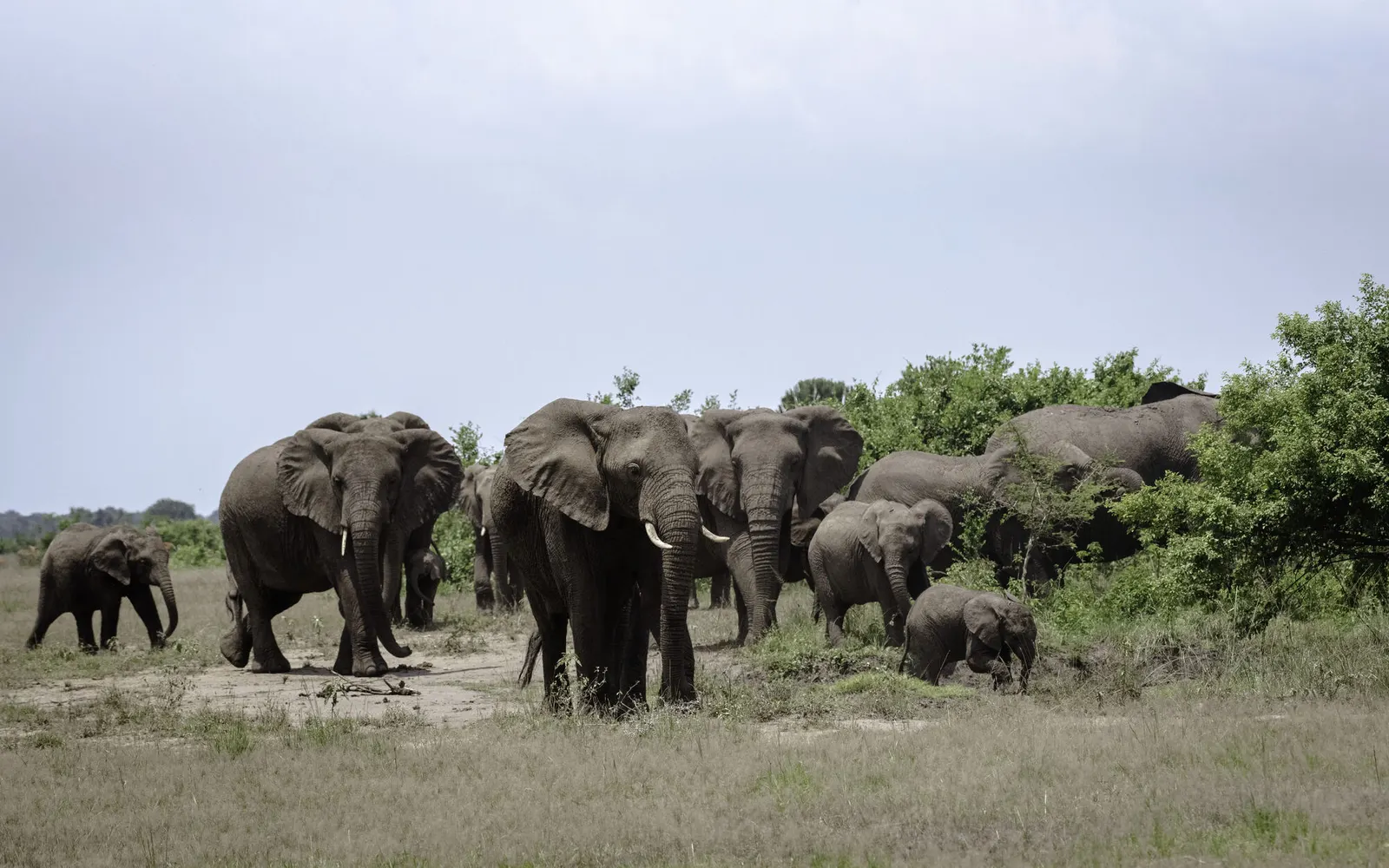
Averaged park fees, stale exchange rates and manual transport guesses cost real margin. Here is how operators using Quest sidestep the usual traps.
· 7 min read, by the Quest team
Most Uganda tour operators know their parks and lodges. Losses usually show up in the spreadsheet layer: a fee applied to the wrong passport, a June lodge priced with March rates, or transport priced as "about 200 kilometres" when the route is longer. Quest does not replace your expertise. It keeps the arithmetic honest so your expertise shows up in the PDF.
1. Averaging park fees across the group
When one traveller is East African and three are international, a single "per person park fee" line hides a subsidy you did not intend. Quest prices each category from passport country and shows shared versus per-person costs in the summary.
2. Ignoring season when the client picks peak dates
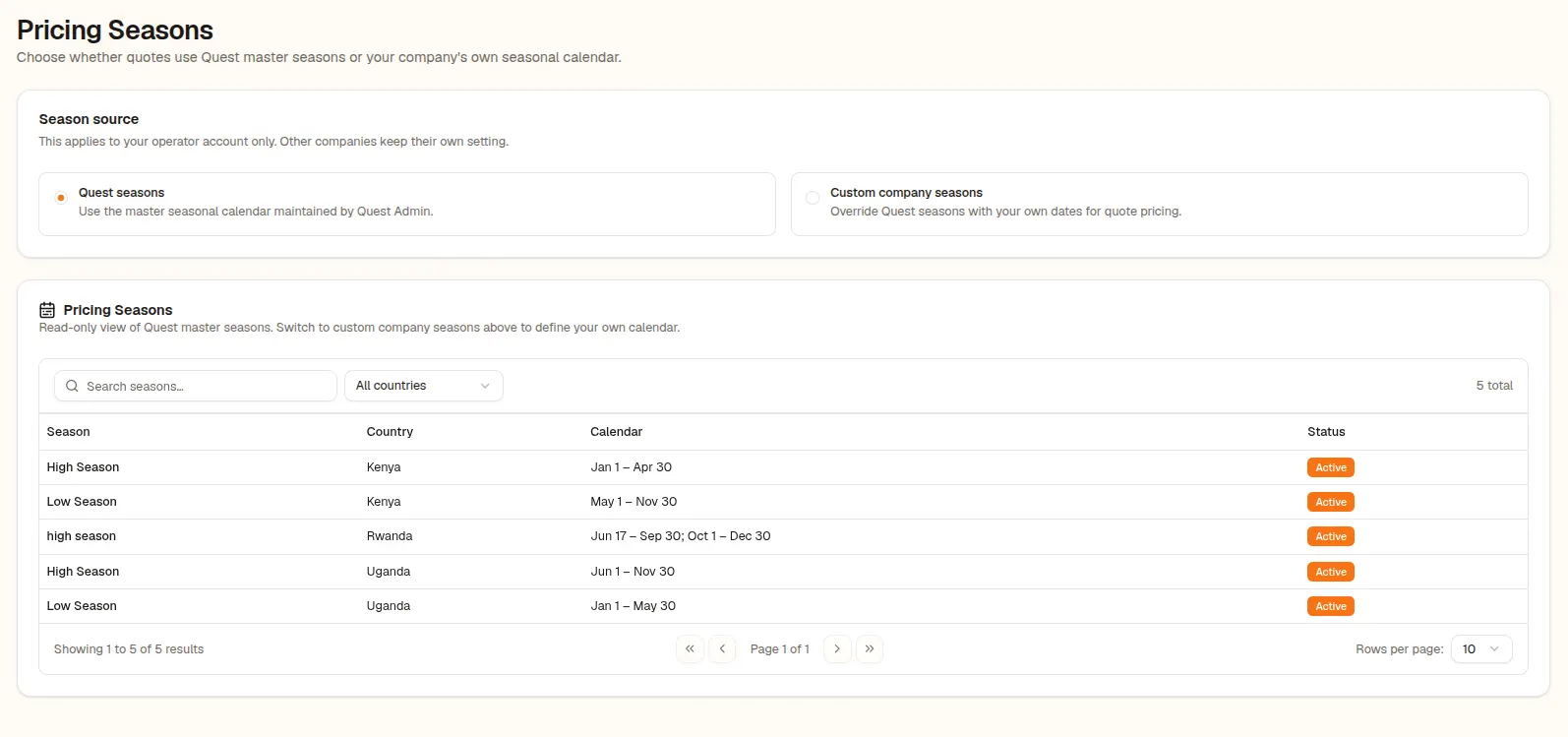
A quote sent in April for a July arrival should not use low-season room rates unless you mean to honour them. Seasonal pricing ties lodge, activity and entry fees to travel dates, with a visible override when you negotiate a special rate.
3. Transport as a flat daily guess
Fuel and hire depend on the road you actually drive. Transport builds legs between stops, counts activity waypoints, and shows fuel from km per litre and pump price so you can explain the number to a client or auditor.
4. Sending quotes that look unfinished
Operators using Quest report winning time back and looking more professional on email. Ewethu Safaris highlights itineraries with images and clear schedules; K&G Tours and Travel cut draft time from hours to minutes on camera with TopNotch TV. The common thread is a PDF the client can forward.
5. Rebuilding the same itinerary from scratch
Your signature gorilla or Murchison loop should live as a tour package. Packages feed embeds and bookings so the trip you quote is the trip you sell on your site.
Want a structured workflow? Start with the quote builder, read how Ewethu Safaris uses Quest, or create a free account.